A fragrant garden in summer is one of those quiet luxuries that pays you back every evening. In the British climate, there is a wide palette of plants that not only survive but positively thrive, releasing scent into warm air, especially during the golden hour in the afternoon and towards dusk. The key is to layer different types of fragrance, so something is always in bloom.
Here are some of the most evocative and reliable fragrant plants for gardens – and remember you can ask any of our team that comes to do maintenance about getting these planted.
Sweet peas (Lathyrus odoratus)
Sweet peas bring a soft, drifting sweetness that feels almost nostalgic. Their scent carries lightly on the air, especially in the warmth of the afternoon. Grown up trellises or obelisks, they add height and movement, and the more you pick them, the more they seem to give back. A small posy indoors can carry that fragrance through the house as well.
Roses (especially old English and shrub varieties)
Few scents are as layered or as recognisable as a proper garden rose. The most fragrant varieties offer notes that range from rich and velvety to fresh with hints of fruit or spice. Planted near a path or seating area, they invite you to pause, to lean in, and to notice them properly. In full bloom, they bring a sense of abundance that defines the height of summer. Make sure you always stop and smell them!
Lavender (Lavandula angustifolia)
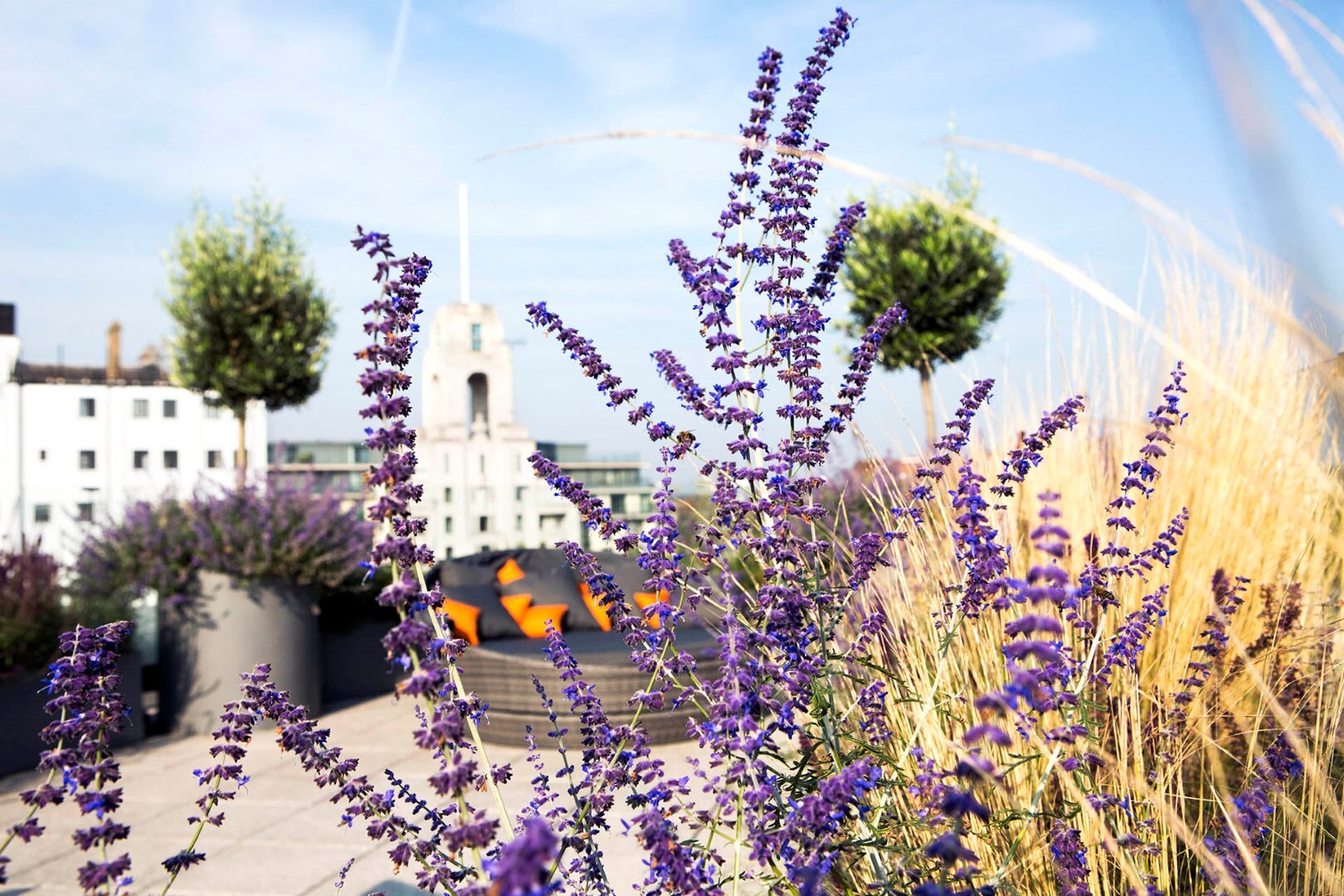
Lavender has a clarity to its scent that feels almost like sunlight made tangible. Warm, dry and gently herbal, it releases its fragrance most readily when brushed against or warmed through the day. Lining a path or edging a border, it creates those small, sensory moments as you pass by.
Mock orange (Philadelphus)
Mock orange is fleeting, but unforgettable. For a short window in early to mid-summer, it fills the air with a bright, citrus-like perfume that can carry across the entire garden. It tends to sit quietly for much of the year, then suddenly transforms into something luminous and generous.
Honeysuckle (Lonicera periclymenum)
As evening approaches, honeysuckle begins to reveal itself. Its scent deepens with the fading light, becoming richer and more enveloping. Trained along a fence or arch, it can turn a simple seating area into a place you linger, drawn in by that gentle, honeyed warmth.
Jasmine (Jasminum officinale)
Jasmine offers a clean, almost luminous fragrance that feels at home in still summer air. Its small, star-shaped flowers release scent steadily, especially in the evening, allowing it to drift quietly through the garden. Positioned on a pergola or sunny wall, it creates a soft backdrop that becomes more noticeable the longer you sit with it.
Nicotiana (tobacco plant)
There is something understated about nicotiana. Its pale flowers seem to gather the last of the light at dusk, and its powdery, slightly sweet scent emerges almost unnoticed at first. Planted among other borders, it adds a layer of evening atmosphere that feels subtle but welcome.
Herbs: thyme, mint, and rosemary
Fragrance does not always need to announce itself through flowers. Herbs hold their scent in their leaves, releasing it with warmth or touch. A brush of the hand, the heat of the sun on paving, or the simple act of walking past can release notes that feel fresh, green and immediate.
Bringing the bouquet together
The most effective fragrant gardens are not built around a single plant but a sequence. Early summer might open with mock orange and roses, move into lavender and sweet peas, and then settle into evening scents from jasmine, honeysuckle, and nicotiana.
Think about where you spend time, how your the landscape works with your needs. Near a bench, by a doorway, or along a path. Fragrance is at its best when it finds you, rather than when you have to go looking for it!